The Last Great British Story: The enduring story of the Beatles, how they changed Britain and what it means
The Last Great British Story: The enduring story of the Beatles Gerry Hassan Scottish National, 31 March 2024 One of the strange things about the Beatles phenomenon is that the further we are from the 1960s, the more fascinating, unique and important they become. Sixty years ago – John Lennon, Paul McCartney, George Harrison and Ringo Starr – produced new levels of excitement and exhilaration as “Beatlemania” reached a crescendo. The Beatles returned from their all-conquering trip to America – something no other British musical act had done before. “Can’t Buy Me Love” was released and topped the charts; in
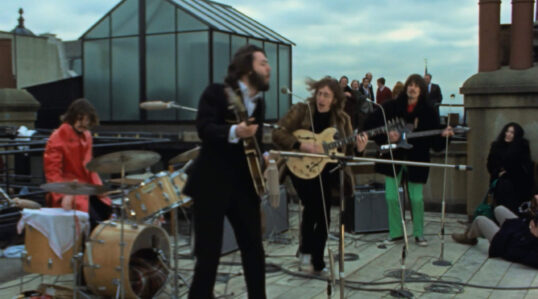
The Beatles, ‘Get Back’ and the Britain of 1969 and the Present
The Beatles, ‘Get Back’ and the Britain of 1969 and the Present Gerry Hassan Scottish Review, 1 December 2021 The Beatles still fascinate, mesmerise and speak to us – a timeless phenomenon from post-war British society and another age and world. Peter Jackson’s opus ‘The Beatles: Get Back’ - released last week on Disney+, an eight-hour extravaganza of the band in three parts – shows their work and different personalities up close in an unprecedented fly in the wall film that drew from 56 hours of footage and 150 hours of audio tape. The result is spell-binding and transfixing, inviting
Continue Reading The Beatles, ‘Get Back’ and the Britain of 1969 and the Present
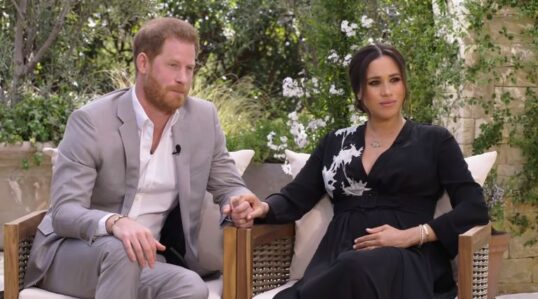
The latest Royal Family controversy is much more than a side show
The latest Royal Family controversy is much more than a side show Gerry Hassan Scottish Review, March 10th 2021 The royal family soap opera continues – fascinating for many, a diversion for some, and a repugnant non-story for others. Meghan and Harry’s long trailed Oprah interview might be part of celebrity culture and rich privileged royals cashing in on the lucrative American market, but it is about much more and cannot be so easily dismissed. It has brought to a head issues of racism amongst the Windsors; how the institution understands its occupational health role and supports those struggling; how
Continue Reading The latest Royal Family controversy is much more than a side show
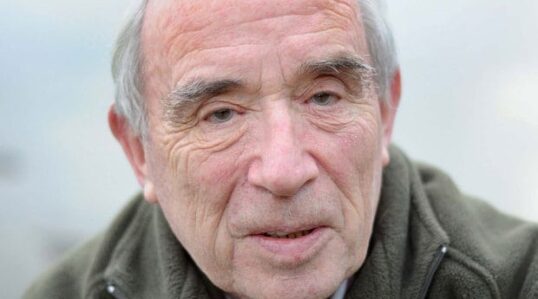
When Four Young Scots Shook the British Establishment: Ian Hamilton and the Stone of Destiny
When Four Young Scots Shook the British Establishment: Ian Hamilton and the Stone of Destiny Gerry Hassan Sunday National, December 20th 2020 Scotland has always had a tradition of stories, legends and myths which have given sustenance to history and identity. One of the most evocative over the years has been that of the recovery of the Stone of Destiny on Christmas Day in 1950 – the 70th anniversary of which is next week. The Stone of Destiny has an important role in Scottish, English and British history; it even has different names and is known in official royal
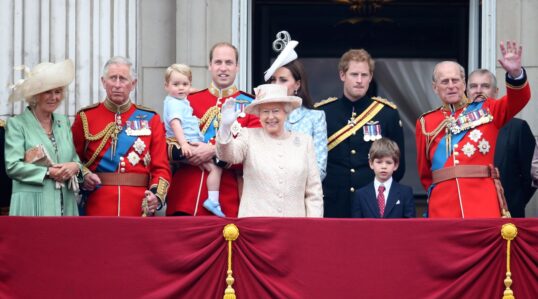
The British Royal State is in terminal decline but still holds all of us back
The British Royal State is in terminal decline but still holds all of us back Gerry Hassan Sunday National, December 13th 2020 The Royal Family have been in the news of late with Kate and William’s three-day, whistle-stop ‘Royal Train Tour’ making just nine stops in Scotland, Wales and England. This marks an end to a very uneasy year for the Royals, defined by personal difficulty, crisis and continued scandal. In terms of supporting their subjects, the Royals have effectively been invisible this past pandemic year. There was the Queen’s TV address in early April; she commented in May
Continue Reading The British Royal State is in terminal decline but still holds all of us back

The Great Big Lie of the British Royal Family
The Great Big Lie of the British Royal Family Gerry Hassan The National, December 6th 2020 Feeling a bit blue as the nights grow colder and darker? Worried about all those avoidable COVID-19 deaths and the threat of a chaotic Brexit? Are you worried about Boris Johnson and his hapless government being in charge of anything - let alone a vaccine roll-out - as they shamelessly reward their corporate pals with billions of our monies with no due process and diligence? Never fear because such inauspicious circumstances are the perfect conditions for a royal tour. And not just that,
Continue Reading The Great Big Lie of the British Royal Family
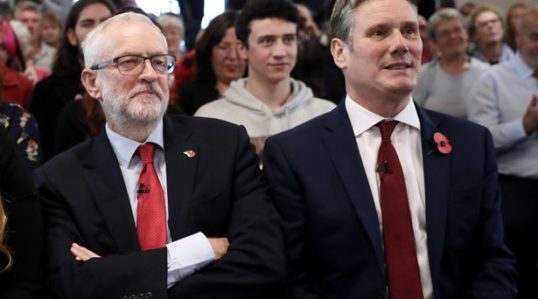
Jeremy Corbyn, Tony Blair and Keir Starmer and when was Britain’s Golden Age?
Jeremy Corbyn, Tony Blair and Keir Starmer and when was Britain’s Golden Age? Gerry Hassan Scottish Review, April 8th 2020 Every society has a golden age – often mythical, but with some relationship to events and reality. In Britain, this is often continually referenced as World War Two, ‘the Blitz spirit’ and Dunkirk – all much in evidence in recent weeks in the face of coronavirus. Other stories are available but get less coverage and mileage. One is that of ‘the swinging sixties’ and the Beatles; another is the idea (floated by the New Economics Foundation) that 1976 was the
Continue Reading Jeremy Corbyn, Tony Blair and Keir Starmer and when was Britain’s Golden Age?
The Royal Family Story is more than mere soap opera
The Royal Family Story is more than mere soap opera Gerry Hassan Scottish Review, January 15th 2020 The world of 2020 is filled with important events and news: the Iran-US conflict, Australian bush fires sweeping the continent, and the ongoing Brexit process. Yet what story has dominated the UK media to a claustrophobic and obsessional degree in the early days of the new year? The answer is none of the above but the ongoing crises of the Royal Family engendered by Harry and Meghan’s declaration of semi-independence. This saga has nearly everything for the modern media including familiar reference points,
Continue Reading The Royal Family Story is more than mere soap opera
Class still defines and disfigures Britain and Scotland
Class still defines and disfigures Britain and Scotland Gerry Hassan Sunday National, November 24th 2019 Class still matters and defines much of Britain and Scotland. It shapes life chances, educational opportunities, work advancement and careers, health, life expectancy, culture, politics - and who makes and does not make the key decisions in society. Dr. Fiona Hill, the British-born US public servant, spoke this week at the Trump impeachment hearings about being born in Bishop Auckland in the north of England, saying: ‘This country [the US] offered me opportunities I would never have had in England. I grew up poor with
Continue Reading Class still defines and disfigures Britain and Scotland
‘Seven Up’, Class and Modern Scotland
‘Seven Up’, Class and Modern Scotland Gerry Hassan Scottish Review, June 12th 2019 Last week saw a significant moment in TV programming when ITV broadcast the latest in the legendary series ‘Seven Up’, namely ’63 Up’. Michael Apted began first as a researcher then Director tracking fourteen seven year olds in 1964 and has subsequently returned to them every seven years since. Over the past 55 years one of the fourteen has died (Lynn) and two have withdrawn leaving us with eleven people who contributed to the current edition of this bold experiment in broadcasting and social history. ’63 Up’