
Life after Boris Johnson: The Tories, “Freedom” and the rise of authoritarianism
Life after Boris Johnson: The Tories, “Freedom” and the rise of authoritarianism Gerry Hassan The National, 21 December 2021 For many on the left and pro-independence describing Toryism is simple - it is callous, lacks compassion and is about a brutal class politics looking after its own and shafting others. Yet understanding your opponents is key to successful politics, a point that Kennedy and LBJ’s Secretary of Defence Robert McNamara observed in The Fog of War documentary saying you should “never dehumanise your opponents.” That said British Toryism is in an advance stage of degeneration, distortion and bitter division. This
Continue Reading Life after Boris Johnson: The Tories, “Freedom” and the rise of authoritarianism
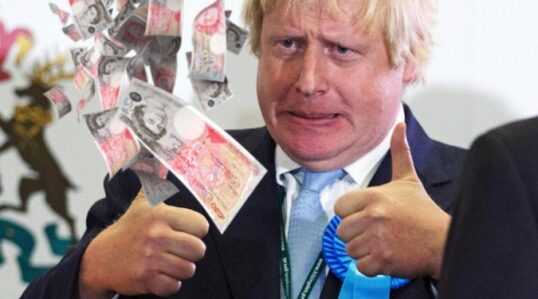
The Tory Party has long has a contempt for the people. Until Boris Johnson they used to be better at hiding it
The Tory Party has long had a contempt for the people. Until Boris Johnson they used to be better at hiding it Gerry Hassan The National, 16 November 2021 The whiff of Tory sleaze, decay and arrogance is all around; Boris Johnson is clearly revealed as the chancer politician that everyone knew he was. But while the air is full of scandal much is passed off as caused by Johnson alone or by a few badly-behaved Tories, the problem is much deeper. British Toryism has always had a contempt for the people. Until Johnson they were rather good at hiding

The British political crisis is deeper than Boris Johnson and the Tories
The British political crisis is deeper than Boris Johnson and the Tories Gerry Hassan Scottish Review, 10 November 2021 The UK is undergoing one of its periodic spasms of concern about Tory sleaze and corruption. Two complacencies underpin much of this coverage. The first is about Boris Johnson’s unique slapdash version of morality, monies and government. The second is that the decline in trust and crisis in institutions is merely cyclical and can be tackled with a simple change of government and political renewal – as happened in the past with Tory troubles and degeneration in 1997. This is different
Continue Reading The British political crisis is deeper than Boris Johnson and the Tories

The case for the union is not in a good way but that doesn’t mean independence can be complacent
The case for the union is not in a good way but that doesn’t mean independence can be complacent Gerry Hassan The National, 12 October 2021 The pro-union argument has been playing hard ball of late but underneath the posturing is a profound lack of substance and coherence. One minute the Downing Street union unit is promising this and that; the next it is disbanded; the next we have “muscular unionism” followed by “wheesht on independence” – to the backdrop of Boris Johnson’s bravado boosterism. Johnson’s speech minus the gags and unending optimism had little to say on Scotland. We

Is this really the best Tory case for the union?
Is this really the best Tory case for the union? Gerry Hassan Bella Caledonia, 10 October 2021 Strength in Union: The Case for the United Kingdom, edited by Andrew Bowie, Centre for Policy Studies. The Tory Party are seeking a coherent strategy to deal with Scotland and the threat of independence – one that twin-tracks between looking at iconic infrastructure projects they can fund and wrap a Union Jack around, and the ‘wheesht on independence’ mindset – that entails not talking about the issue to avoid making it more real. If the latter is more than a passing Downing
Continue Reading Is this really the best Tory case for the union?
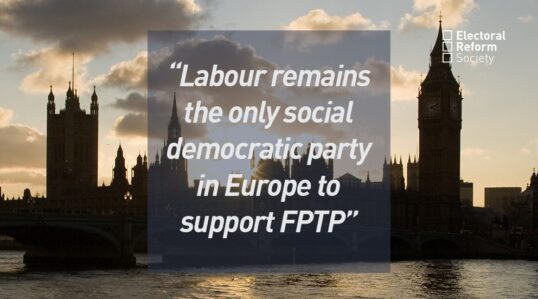
How to defeat the Tories and aid democracy
How to defeat the Tories and aid democracy Gerry Hassan The National, 5 October 2021 Tory problems mount by the day. There’s fuel and food shortages evoking the 1970s, a Brexit that seems only to be delivering problems and, in Boris Johnson, a PM who seems to know and care little about detail and the real lives of people. Despite all of this and more the Tories are still in the lead in the polls and the odds remain against Labour winning the next election outright. Labour has a mountain to climb to win the next election that could be
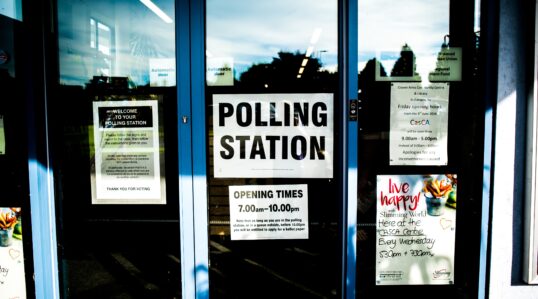
The Tory attack on the right to vote is a threat to democracy
The Tory attack on the right to vote is a threat to democracy Gerry Hassan The National, 14 September 2021 The Tory Elections Bill, debated last week in the Commons, sounds on the surface like an anodyne piece of legislation, tidying up arcane procedures on voter registration, identification and how we vote. However, it is a full-fronted attack on the fabric of what passes for democracy and the right to vote, reveals the thin nature of fundamental rights in the UK, and the brazen reality that the Tories regard such rights and ‘the British constitution’ as playthings that they can
Continue Reading The Tory attack on the right to vote is a threat to democracy
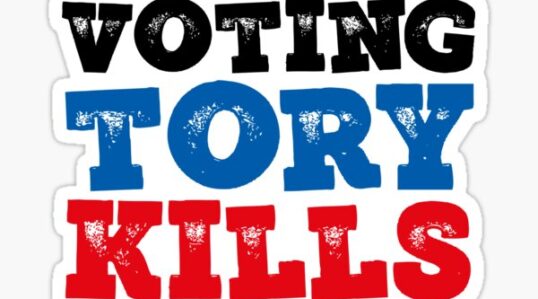
Toryism is bad for your health. Literally it kills
Toryism is bad for your health. Literally it kills Gerry Hassan The National, July 20th 2021 Boris Johnson and his administration have presided over the biggest domestic disaster to befell a UK Government in living memory - arguably since the UK began. There have been terrible calamities before such as Blair and the Iraq war, Eden and Suez, Chamberlain and appeasement, Salisbury and the Boer war. But these are all foreign policy disasters which cost the UK’s reputation severely – and all saw military conflict in which many died including UK citizens. The current Tory Government’s miscalculations, mistakes and arrogances
Continue Reading Toryism is bad for your health. Literally it kills
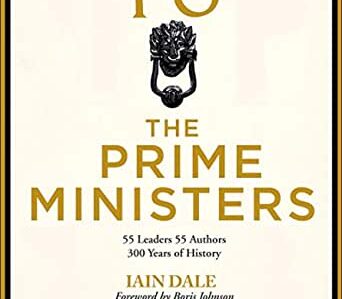
We need to know our history: The rise and fall of the British Prime Minister
We need to know our history: The rise and fall of the British Prime Minister Gerry Hassan Scottish Review, November 11th 2020 Leadership is one of the mantras of the modern age, and no more so than in politics. National leadership - and success (and conversely failure) - is endlessly analysed. Is Boris Johnson in irretrievable decline and was he ever right for the job? Can Nicola Sturgeon maintain the level of popularity of herself and the SNP to the 2021 elections? And does anyone remember the Lib Dems and who their leader is? (answer: Ed Davey). The new book
Continue Reading We need to know our history: The rise and fall of the British Prime Minister
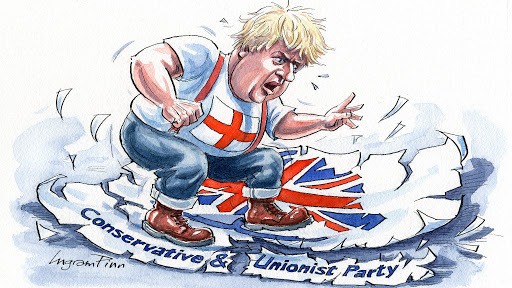
The political and moral collapse of the Conservative Party, conservative thinking and unionism
The political and moral collapse of the Conservative Party, conservative thinking and unionism Gerry Hassan Sunday National, September 20th 2020 The clue is meant to be in the name - the Conservative and Unionist Party. The Unionist moniker may refer first and foremost to the union with Ireland, but has a wider meaning in relation to the union that makes up the United Kingdom. Tory unionism has historically gone to the core of the party’s DNA. At its peak – electorally and instinctually – between the 1920s and end of the 1950s, it gave